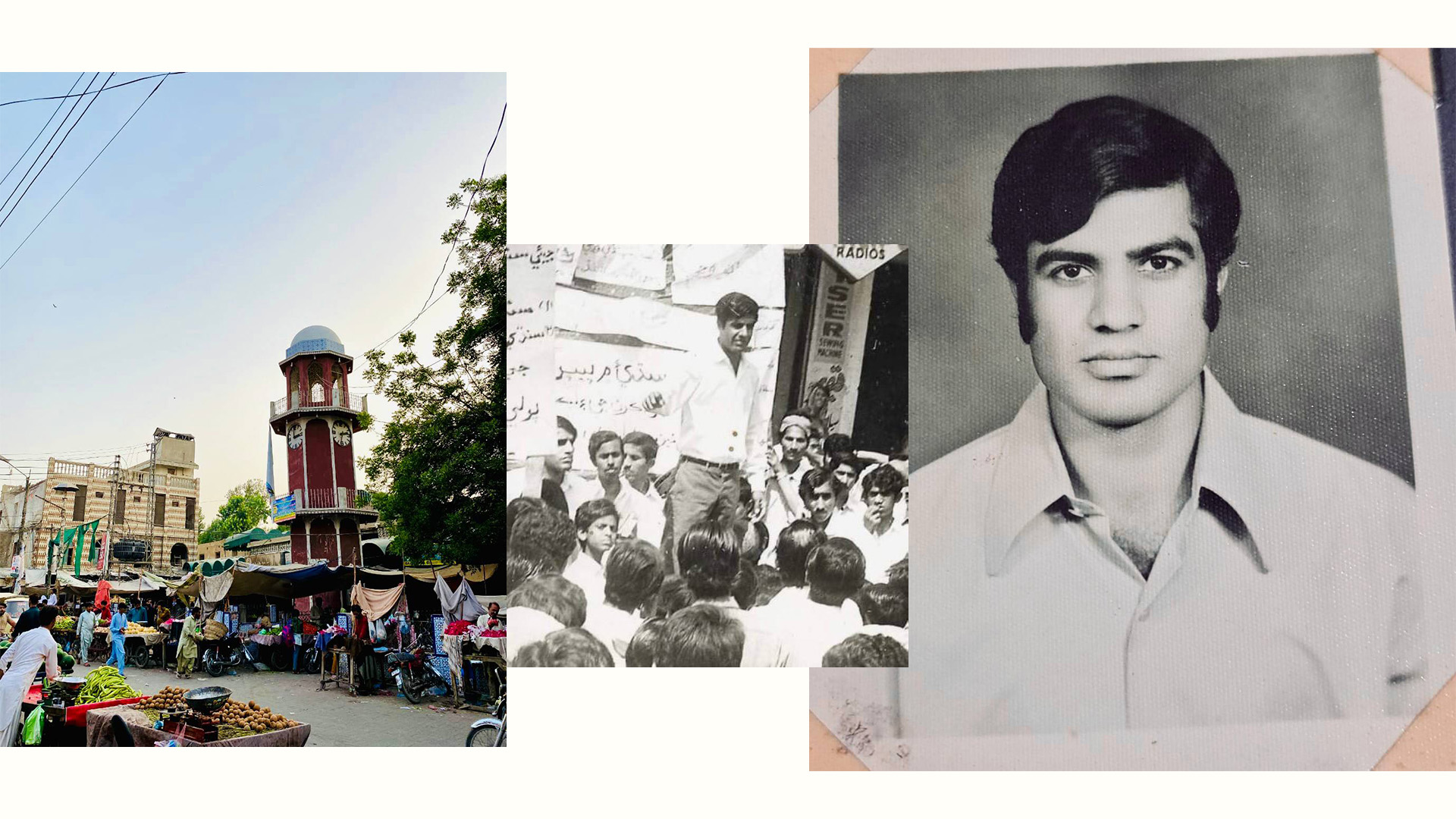
In this short essay, Sobh Saeed approaches Sindhi nationalism through the political journey of her grandfather. She imagines a future in which solidarity might move beyond the limits of geographical autonomy.
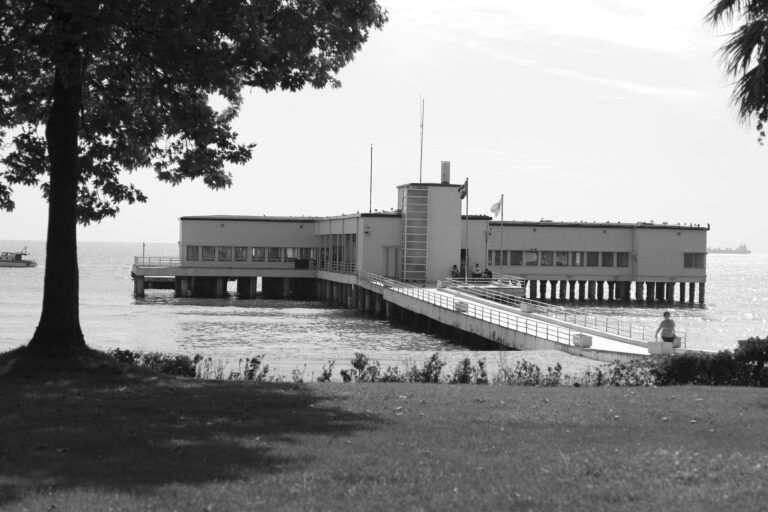
In this personal, guide-like account, Mike Bode connects a visit to the modernist Florya Atatürk Marine Mansion in Istanbul with reflections on architecture, Turkish nationalism and the formation of the modern nation-state.
Felestine Square in Tehran and its monument have long served as a stage for state-organised demonstrations against Israel. Through the histories surrounding the monument and the shifting relationship between Iran and Palestine, Behzad Khosravi Noori asks how meaningful solidarity with Palestine can be articulated without reproducing the propaganda of another regime.
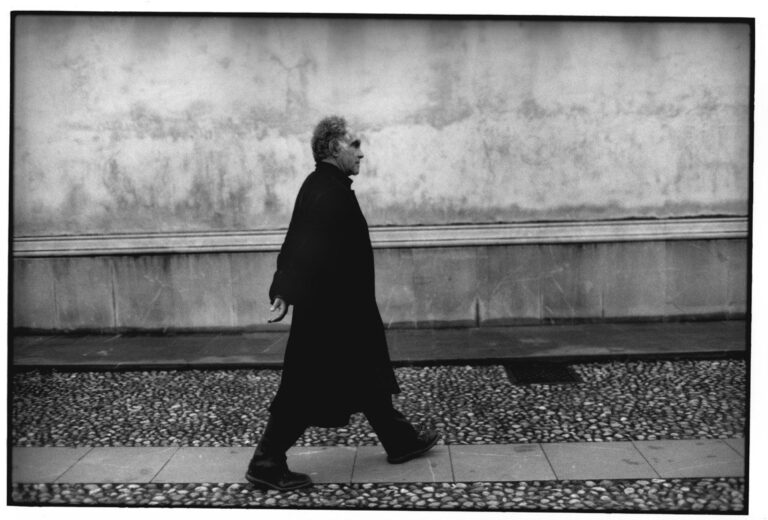
In this interview, Carlo Ginzburg discusses the formation of microhistory and its methods. Reflecting on a lifetime of historical research, he considers philology and the practice of slow reading, generalisation, case studies, and the relationship between history, narrative and literature.
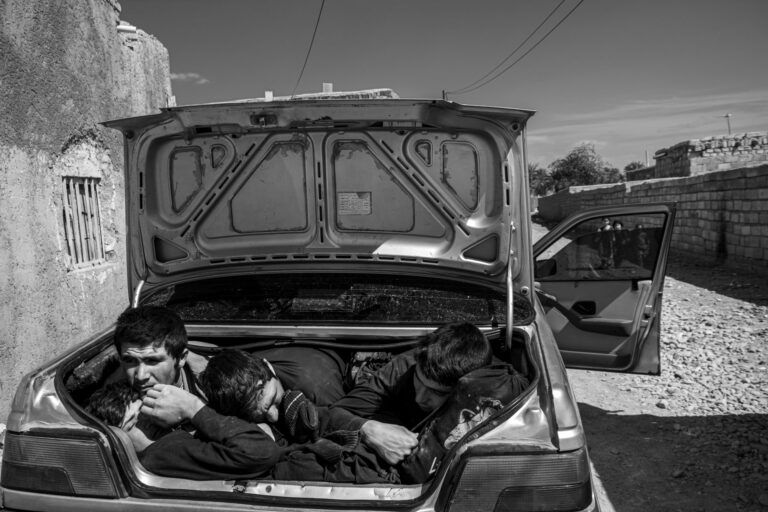
Migration and border crossing have long shaped the work of photographer Zobair Movahhed. In Hijr, he joins migrants travelling across the Iran–Afghanistan border, attending to both the visible and obscured dimensions of this perilous journey.
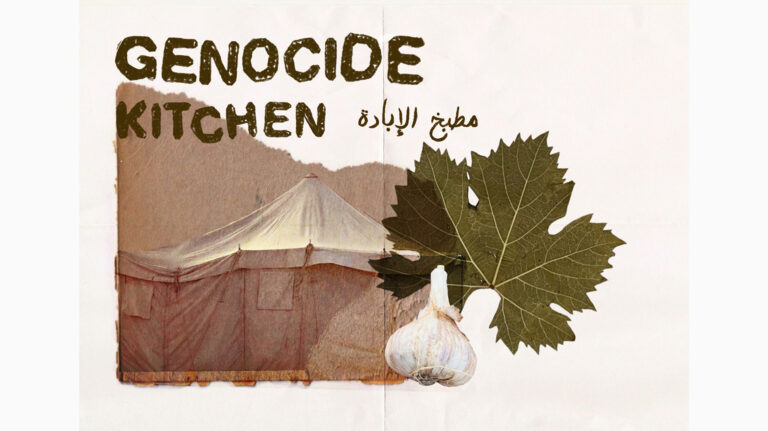
Sama Emad is a young Palestinian artist from Gaza. In “The Genocide Kitchen”, she uses collage to document and archive the experiences of the Gazan people, focusing on their relationship with food and the scorched land during forced displacement and the use of starvation as a tool of genocidal warfare.
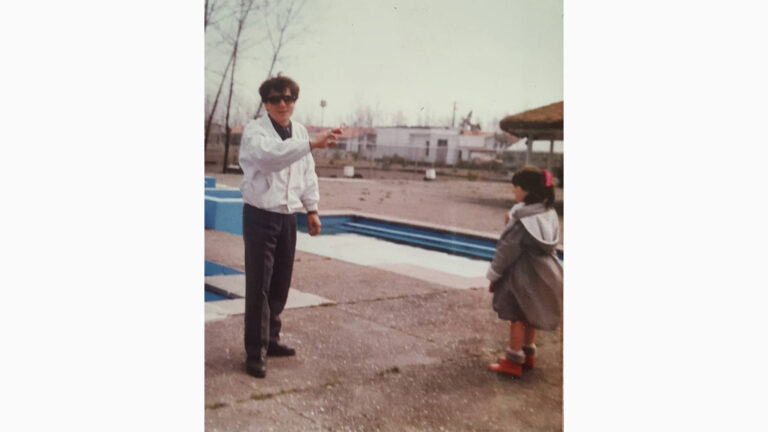
I, Nazli, My Father's Son is an artistic research project in which the artist explores her relationship with her father. Her inquiry gradually led her to gender studies and the in time her work aquires autoethnographic and collective traits. This text is the product of a coauthorship process in which Nazli's narrative becomes interwoven into the stories of her colleagues.
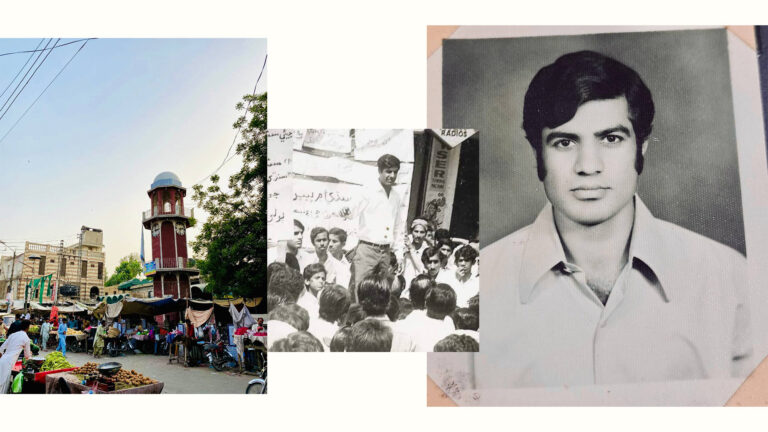
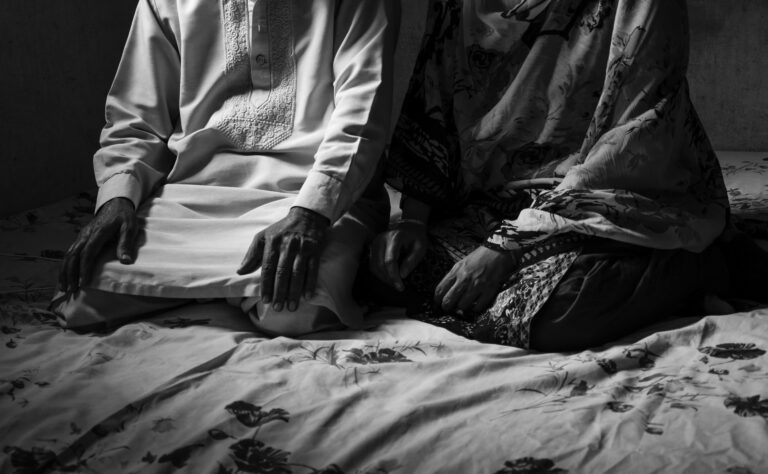
In this photo-essay, Pakistani photographer, Hira Munir, ties the history of her family to the history of the Sind region in the aftermath of the Indian partition and the arrival of the Urdu-speaking migrants. She tries to revisit the forgotten layers of her hybrid identity.

About Us

We are a small collective made up of individuals from diverse professional fields who felt compelled to establish an independent art space after gaining experience in various artistic environments. In recent years, Iran’s shifting political, social, and economic landscapes have sadly brought news of the closures of many alternative venues, once brimming with thoughts, writings, and gatherings. This has accentuated the pressing need for coming together and engaging in collaborative endeavours. Our journey commenced from casual conversations two years ago, and amidst its ebbs and flows, our bonds solidified, bringing our vision for Sarazad into clearer focus. These ties were not restricted to Sarazad’s founding members. Many joined us, supporting Sarazad’s ethos without any ulterior motives. Our aspiration is not just to nurture these connections but to expand this circle of camaraderie. Sarazad is a unique intersection of amateur passion and professional dedication. Regarding progress, our enthusiasm mirrors that of diligent students enamoured with their work. Financially, we have often leaned on our earnings as educators to fuel our dreams.